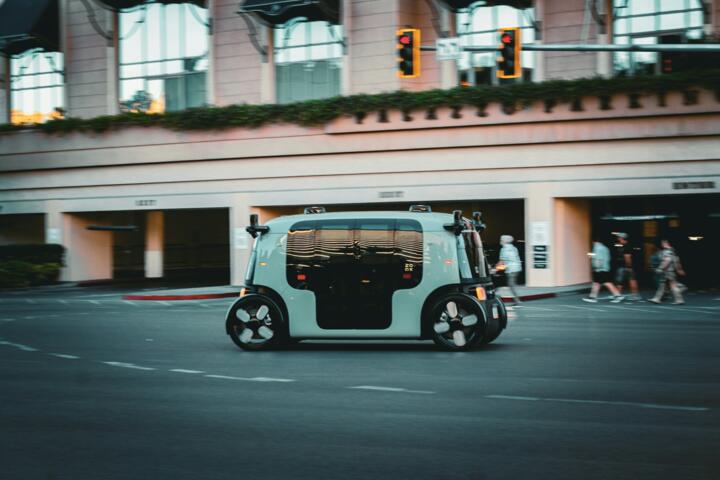
Autonomous Driving Intro
Autonomous transportation refers to vehicles equipped with self-driving technology capable of navigating roads without human intervention. These systems use AI, lidar, radar, and cameras to interpret surroundings and make decisions in real time.
For instance, Waymo's autonomous trucks have already completed cross-country deliveries under supervision, while Tesla’s Full Self-Driving (FSD) beta offers semi-autonomous features to everyday drivers. According to the American Trucking Associations, trucks handle 72.5% of all freight by weight in the U.S., highlighting the scale of impact autonomous trucks could have.
By 2030, industry forecasts suggest up to 60% of heavy vehicle miles driven in the U.S. could be autonomous or semi-autonomous. This shift will inevitably reshape millions of driving jobs.
Industry Main Problems
Workforce Displacement Risk
The primary concern is the massive displacement of truck drivers, taxi operators, and delivery drivers as autonomous vehicles become cost-effective and reliable. According to the U.S. Bureau of Labor Statistics, truck drivers make up roughly 37% of the 5 million driving workforce, making logistics vulnerable.
Inadequate Retraining Efforts
Many existing programs aimed at retraining drivers for tech-centric roles are underfunded or lack scalability. For example, despite efforts by the Department of Transportation to fund driver retraining initiatives, outreach remains limited, especially in rural areas where driving jobs prevail.
Delayed Regulatory and Social Adaptation
The slow pace of legislation around autonomous vehicles causes uncertainty. Ambiguous regulation hampers businesses from investing in workforce transitions, stalling innovation adoption and preparedness.
Economic and Social Implications
Driving jobs often underpin communities, especially in rural regions. Sudden job losses may spark economic downturns in these areas. Additionally, millions rely on driving as a low-barrier way to stable employment.
Solutions & Strategy
Targeted Reskilling Programs
Governments and companies must invest in practical retraining initiatives. For example, UPS has partnered with local colleges to train drivers in vehicle maintenance and telematics, enabling them to work alongside autonomous fleets.
This works by providing a pathway from driving to technical roles that are essential in servicing and overseeing autonomous vehicles. Scaled programs leveraging online and hands-on modules can reach larger workforces efficiently.
Phased Job Transition Models
Rather than immediate displacement, companies like Aurora Innovation emphasize phased transitions where human drivers supervise autonomous fleets during a gradual ramp-up of autonomy. This ensures safety and retains workforce engagement.
Practical practice could include hybrid driving shifts, gradually increasing autonomous mileage to complement human oversight.
Policy Incentives for Businesses
Offering tax credits or subsidies for companies that invest in driver retraining or hybrid fleets will encourage investment. California's Autonomous Vehicle Safety Program provides a template by tying funding to workforce development outcomes.
Cross-Industry Workforce Redeployment
One recommendation is to facilitate lateral moves for displaced drivers into truck inspection, logistics management, or customer service within transportation. Volkswagen has initiated programs turning former drivers into software testers or fleet supervisors.
Data-Driven Workforce Planning
Using labor market data and predictive analytics enables companies to anticipate demand shifts and tailor retraining, reducing oversupply in obsolete roles. Tools like Burning Glass Technologies offer actionable insights to align education with future job markets.
Case Studies
Waymo’s Autonomous Freight Initiative
Problem:Potential displacement of logistics drivers amid expansion of autonomous freight services.
What Was Done:Waymo implemented a Retain & Retrain Program offering affected drivers roles in fleet maintenance and remote vehicle monitoring.
Result:85% of participants transitioned to tech-adjacent jobs within 12 months, reducing turnover costs by 30% and increasing fleet uptime due to experienced personnel's involvement.
FedEx Delivery Model Adjustment
Problem:Feared job losses among package delivery drivers as autonomous delivery trucks rolled out.
What Was Done:FedEx introduced hybrid routes combining human and autonomous deliveries, supported by comprehensive retraining on fleet tech management.
Result:Maintained 95% driver employment levels over two years, with a 22% increase in delivery efficiency and improved driver satisfaction scores.
Transition Checklist
| Step | Action & Tools | Outcome |
|---|---|---|
| 1 | Evaluate skills gap:Use skills assessments and market analytics. | Identifies retraining needs |
| 2 | Targeted training:Online courses and tech workshops. | Equips drivers for new roles |
| 3 | Phased transitions:Hybrid vehicle supervision programs. | Mitigates job loss impact |
| 4 | Redeployment:Cross-industry boards and partnerships. | Expands employment options |
| 5 | Monitor:Use data analytics platforms. | Ensures effectiveness |
Common Mistakes
Ignoring Local Workforce Realities
Applying a one-size-fits-all retraining approach fails to consider geographic and cultural differences. Tailored regional initiatives better address unique challenges and opportunities.
Delaying Action Until Job Losses Occur
Proactive planning ahead of full autonomous adoption prevents sudden economic shocks and supports smoother individual transitions.
Underestimating Emotional Impact on Workers
Job displacement is not only economic but emotional. Programs must include counseling and community support to ease social strain.
Over-Reliance on Technology Alone
Ignoring the human element in managing autonomous fleets risks operational setbacks. Combining technology with skilled human oversight remains critical.
FAQ
Will autonomous trucks completely replace human drivers?
Not immediately. While autonomous trucks are increasing, human supervision and hybrid models are expected to coexist for years, allowing gradual workforce transition.
How can drivers prepare for job changes caused by autonomous transport?
Drivers should seek reskilling in vehicle tech, fleet management, or logistics roles. Participating in company-supported retraining or certification programs is recommended.
What industries outside driving might employ former drivers?
Former drivers can move into vehicle inspection, supply chain management, software testing, customer relations, and remote fleet monitoring roles.
Are there government programs supporting this shift?
Yes. Departments of Labor and Transportation offer grants and programs aimed at workforce development in tech-related transport roles.
How soon will autonomous vehicles impact employment numbers?
Impact is gradual but accelerating; analysts expect significant disruption between 2025 and 2035 depending on regulatory and technology maturity.
Author's Insight
Having worked closely with logistics firms integrating autonomous tech, I've seen firsthand the turbulence and opportunity this shift creates. In my experience, early investment in tailored retraining drastically reduces workforce anxiety and improves operational uptime. It's crucial companies engage drivers as partners, not obstacles, in autonomous adoption. Data-driven strategies and phased implementations provide a pragmatic roadmap to sustaining employment while embracing innovation.
Summary
The rise of autonomous transportation will significantly transform roughly five million driving jobs. Proactive, region-specific retraining, phased job transitions, and policy incentives are key to mitigating workforce disruption. Combining technology adoption with human skills ensures safer, efficient transport systems while preserving employment pathways. Stakeholders must prioritize data-driven planning and collaborative reskilling now to prepare for the future of driving.